Modern WC technologies: antibacterial surfaces and easy maintenance
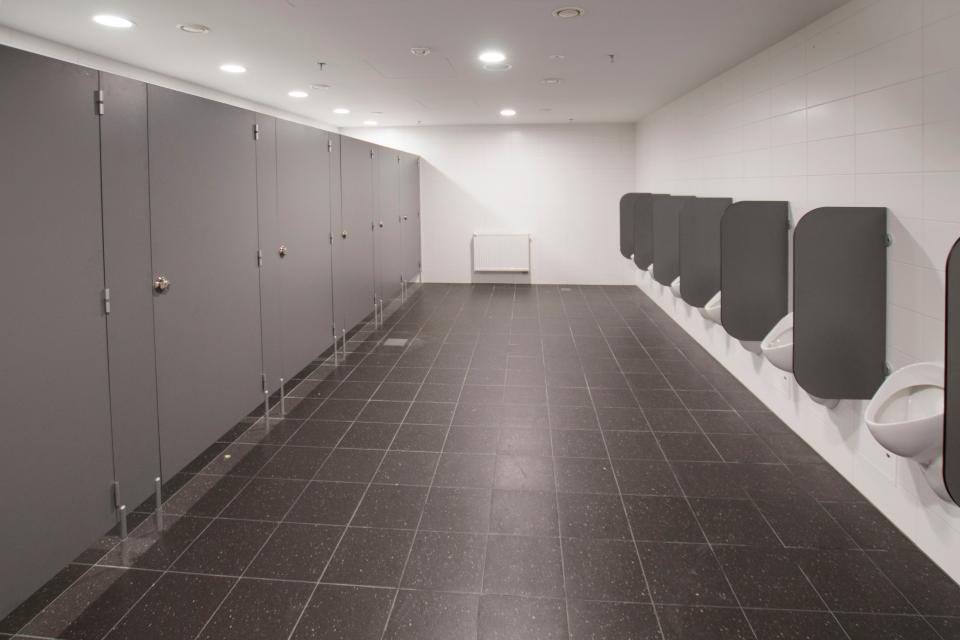
A good washroom should stay clean under heavy use. Modern WC technology supports this with HPL and robust fittings. They fit offices, schools, gyms, pools and public buildings. They combine hygiene with privacy and modern design. See how to make sanitary spaces easier to maintain.
Why are modern WC technologies based on HPL surfaces?
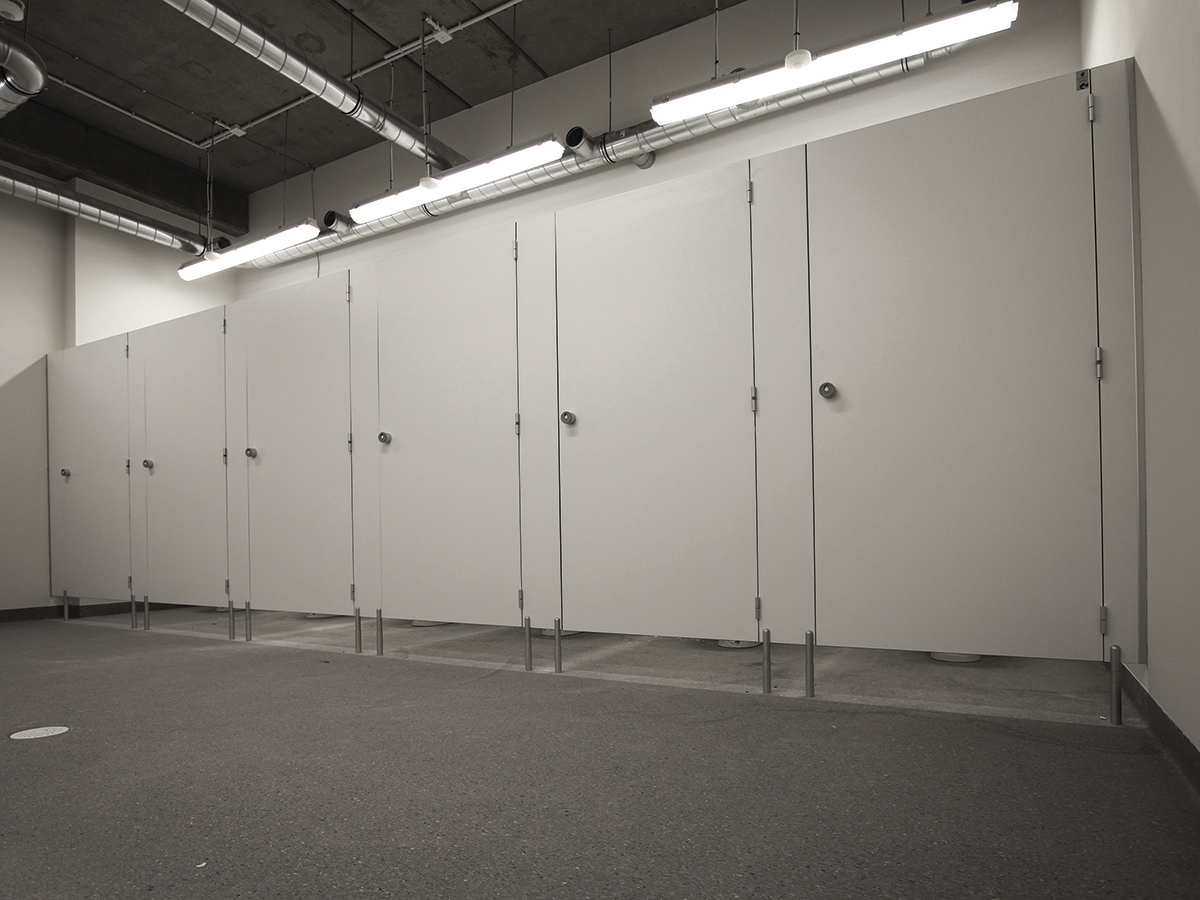
HPL is a high-pressure laminate made from cellulose layers saturated with resin and compressed under pressure. The board is dense, non-porous and moisture resistant. ALSANIT uses compact HPL panels, including 10 and 12 mm variants, in several cubicle systems. This makes HPL WC cabins a good fit for busy toilets and wet zones.
Smooth surfaces are easy to wipe. You get a durable partition for frequent cleaning. HPL also comes in many colours and decors.
How do antibacterial surfaces support hygiene in HPL WC cabins?
Antibacterial surfaces support hygiene where partitions are touched often. ALSANIT offers antibacterial HPL solutions using SANITISED technology. The treatment is intended to limit bacterial growth. It still works with routine cleaning and disinfection.
ISO 22196 can be used to assess antibacterial activity on treated non-porous surfaces.
- antibacterial treatment can limit bacterial growth;
- smooth HPL helps you remove dirt quickly;
- moisture resistance suits wet sanitary areas;
- regular cleaning remains necessary.
This works in schools, sports centres and offices. You gain an easy-clean material with added hygiene properties. Good surfaces, fittings and cleaning rules work together.
Why are HPL WC cabins easy to maintain every day?
Easy maintenance starts with a material that resists moisture. Compact HPL tolerates frequent cleaning and reduces dirt retention. ALSANIT also uses resistant fittings for humid rooms. A simple layout gives cleaners access to panels and floor edges.
Use products intended for laminate surfaces. Avoid abrasive tools that can damage the finish. Inspect hinges, locks and supports regularly.
Which technical features make HPL WC cabins suitable for intensive use?
A public cubicle must handle frequent opening, impacts and repeated cleaning. Treat it as a complete system, not just a finish.
- compact HPL resists moisture and abrasion;
- 10 or 12 mm panels create rigid partitions;
- CNC machining supports repeatable dimensions;
- resistant fittings work in humid rooms;
- self-closing hinges improve usability;
- custom production fits difficult spaces.
EN 438 is a key reference for HPL. Where fire rules apply, check classification under EN 13501-1. Match declared properties to project documents.
How do modern WC technologies improve design and user comfort?
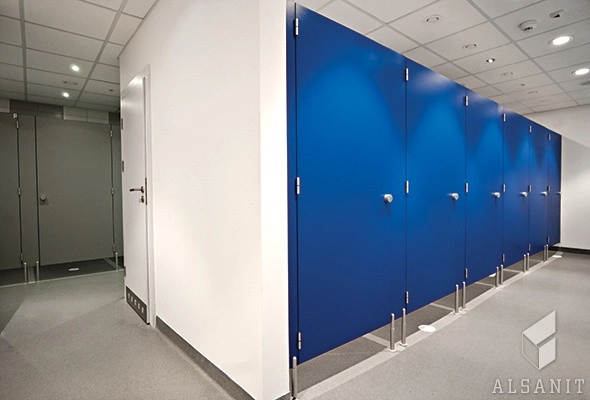
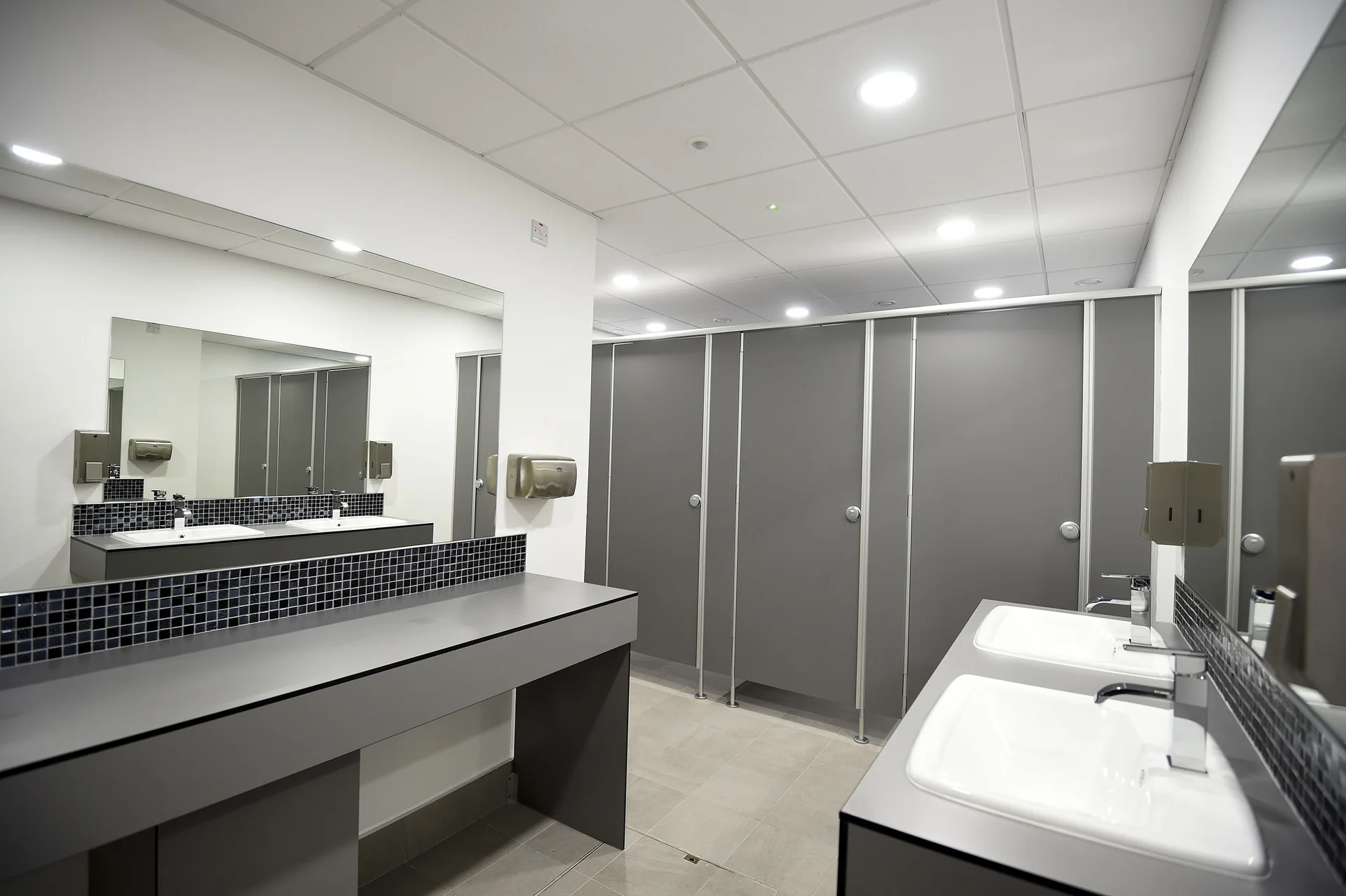
Technical sanitary spaces do not have to look institutional. HPL comes in neutral, bright and wood-style decors. ALSANIT systems include different hardware styles and full-height options. You can choose a light or more private enclosure.
Comfort also depends on door direction, locks and stable partitions. Good detailing makes the cubicle easier to use. A consistent system supports design and daily use.
What should you check when specifying HPL WC cabins?
Start with room type, moisture and expected traffic. Check floor, wall and ceiling conditions. Define privacy before selecting the system.
Then verify technical details against the project. Plan measurement and installation before finishing works.
- confirm whether the system uses 10 or 12 mm HPL;
- check water and chemical resistance;
- verify door width, opening direction and accessibility;
- compare standard and full-height cubicles;
- review certificates and documentation;
- coordinate measurement, delivery and installation.
ALSANIT offers measurement, delivery and installation. SOLARI, PERSEI and ALTUS differ in construction and privacy. Early coordination helps avoid site conflicts.
How do ALSANIT systems combine hygiene, durability and easy maintenance?
ALSANIT combines compact HPL, system fittings and CNC production. SOLARI is available with HPL panels and water- and chemical-resistant fittings. PERSEI uses concealed reinforcement and brushed-steel-style hardware. ALTUS is designed for full-height enclosures.
The principle is simple: match durable surfaces and hardware to traffic.
Modern WC technology works best when panels, fittings and installation are specified together. Antibacterial surfaces support hygiene, while HPL provides moisture resistance and durability. HPL WC cabins are practical where fast cleaning matters.
Where do modern WC technologies work best?
Modern WC technologies help where hygiene and cleaning speed matter. HPL WC cabins fit schools, offices, fitness clubs, pools and shopping centres. Choose by traffic, privacy, cleaning method and room conditions. A good specification helps the washroom stay functional for longer.
What should you know before choosing antibacterial HPL WC cabins?
Before ordering, compare room conditions, panels, hardware and cleaning. These answers cover key hygiene, durability and maintenance points.
1. Are HPL WC cabins waterproof?
Compact HPL resists moisture and suits wet sanitary areas. ALSANIT offers HPL solutions described as waterproof for selected applications. The room still needs correct waterproofing.
2. Do antibacterial surfaces replace disinfection?
No, they only support hygiene on treated material. Keep the normal cleaning and disinfection schedule. Treat antibacterial technology as an additional feature.
3. How often should HPL WC cabins be cleaned?
Set frequency by traffic and hygiene rules. Busy toilets may need several daily cleaning cycles. Use HPL-compatible products and avoid abrasive tools.
4. Which HPL thickness should you choose?
ALSANIT systems commonly use 10 or 12 mm compact HPL. Thickness depends on the system and dimensions. Follow the data for the selected model.
5. Are HPL WC cabins suitable for schools and sports facilities?
Yes, HPL combines moisture resistance with durability. It is also easy to clean after intensive use. Choose robust fittings and suitable dimensions.
6. Which standards are relevant to modern WC technology?
EN 438 covers high-pressure decorative laminates. ISO 22196 covers antibacterial testing of treated non-porous surfaces. EN 13501-1 applies to reaction-to-fire classification where required.
7. Can HPL cubicles be made to individual dimensions?
Yes, and ALSANIT states that standard dimensions can be modified. Selected systems can follow project dimensions. Measure after key finishes are defined.
8. What makes an HPL WC cabin easy to maintain?
Look for smooth panels, moisture resistance and easy access around doors. Fewer dirt traps make cleaning faster. Inspect hinges and locks and use HPL-approved chemicals.