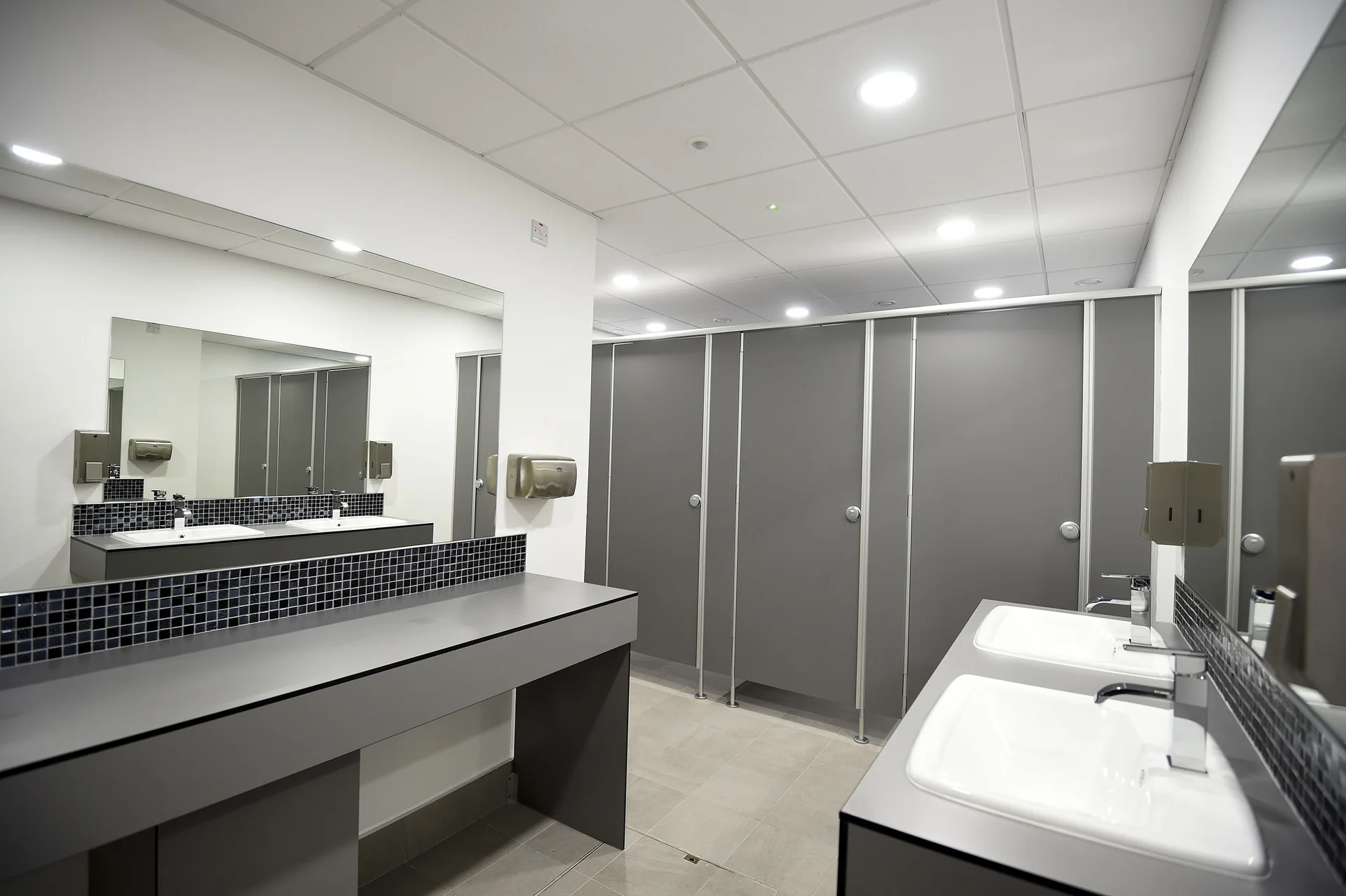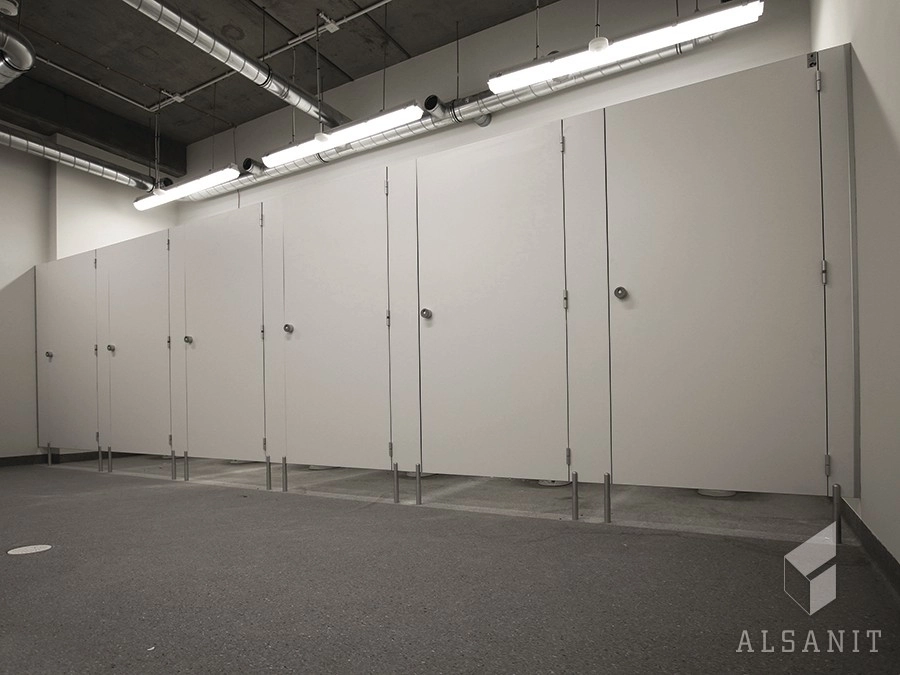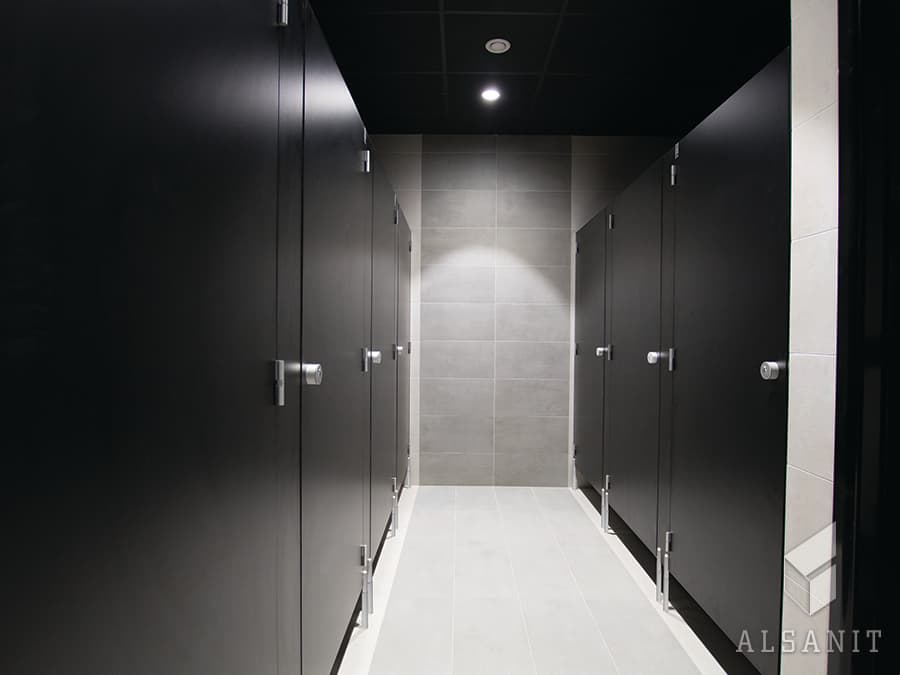
Maintenance of HPL WC cabins: how to care for cabins for longevity and optimal hygiene
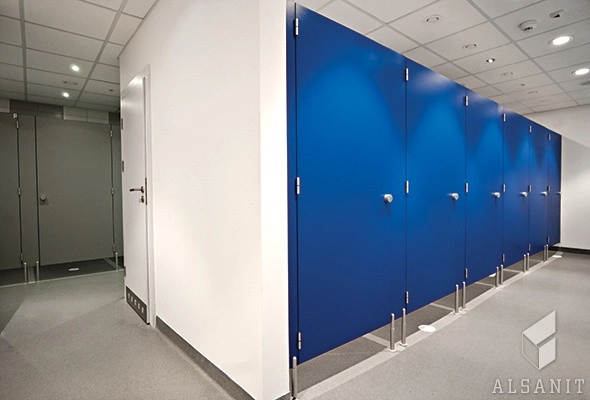
A clean and well-maintained restroom creates an immediate sense of comfort and safety. This is important in offices, schools, sports facilities, shopping centres and public buildings. Compact HPL WC cabins are designed for humid conditions and intensive daily use. However, even a durable material needs correct care to retain its appearance and functionality.
Regular maintenance of WC cabins helps prevent dirt build-up, mechanical damage and premature wear. It also makes daily cleaning easier and supports consistently high hygiene standards. Below, you will find practical advice on how to clean, inspect and maintain HPL toilet cabins.
Why is regular maintenance of WC cabins important?
Toilet cabins are exposed to moisture, frequent contact and repeated opening and closing every day. Door handles, locks, hinges and panel edges are particularly vulnerable to intensive use. Without regular cleaning, soap residue, dust, limescale and other contaminants can gradually accumulate on the surfaces.
Maintenance is not limited to keeping the panels clean. It also includes checking whether doors, hinges, locks and support legs work correctly. A loose screw or slightly misaligned door may seem unimportant at first. If ignored, however, it can lead to damaged fittings or additional stress on the panel.
A regular inspection routine allows you to identify these issues early. This reduces repair costs and helps the complete cabin system achieve a long lifespan.
How should you clean an HPL WC cabin?
Begin by removing loose dirt and dust with a soft cloth. Then clean the surface with lukewarm water and a mild cleaning agent suitable for washable surfaces. Work from the top of the cabin downwards. This prevents dirty water from running over areas that have already been cleaned.
For routine cleaning, you usually need only a few basic items:
- use a clean microfibre cloth or soft sponge;
- choose a mild cleaner without abrasive particles;
- apply the product to the cloth rather than directly onto fittings;
- clean doors, partitions and profiles systematically;
- remove cleaner residue with fresh water;
- dry the surfaces with a clean cloth.
Compact HPL panels have a dense, non-porous surface. Moisture and dirt do not easily penetrate the material. Nevertheless, you should not allow cleaning products to dry on the panel. Dried residue may create streaks, a sticky film or a dull appearance.
How often should HPL WC cabins be cleaned?
The correct cleaning frequency depends on the number of users and the type of building. Restrooms in schools, railway stations, stadiums and shopping centres may need several cleaning rounds each day. In a small office, one thorough daily clean may be sufficient.
Do not rely only on a fixed timetable. Check the actual condition of the restroom and adjust the cleaning schedule during busy periods. Special events, school breaks or increased visitor numbers may require additional inspections.
High-touch areas should be cleaned more often than the main panel surfaces. These include:
- door handles;
- locks and indicator mechanisms;
- door edges;
- support rails;
- frequently touched profiles.
Corners, panel joints and less accessible areas should receive a more thorough clean at least once a week. This approach improves WC hygiene and prevents dirt from building up in places that are often overlooked.
Which cleaning products are suitable for HPL WC cabins?
A mild or pH-neutral cleaning agent is usually sufficient for everyday maintenance. The product should remove dirt without scratching the decorative surface or changing its finish. Always follow the dosage instructions. Using more cleaner than recommended does not necessarily provide a better result.
Too much cleaning product can leave visible streaks or a sticky residue. This residue attracts new dirt and makes the panel appear unclean shortly after washing.
When choosing cleaning products:
- use products intended for hard, washable surfaces;
- select mild cleaners for daily use;
- avoid scouring powders and abrasive pastes;
- do not use steel wool or metal cleaning pads;
- avoid sharp scrapers;
- test new products on a small, hidden area;
- follow the stated contact time for disinfectants;
- rinse away chemical residue thoroughly;
- never mix different cleaning chemicals.
HPL panels are suitable for regular cleaning and disinfection. However, locks, plastic elements, fittings and metal profiles may react differently to strong chemicals. Check whether the chosen product is suitable for the complete cabin system, not only for the HPL surface.
How can you remove stubborn stains from HPL?
Remove stains as soon as possible. Fresh traces of soap, cosmetics, grease or dirt are usually easier to clean than dried deposits. Always begin with the mildest method. Use stronger products only when water and a standard cleaner do not provide the expected result.
For limescale, apply a suitable limescale remover only to the affected area. Follow the recommended contact time. Do not leave the product on the panel longer than necessary. Rinse the surface carefully and dry it afterwards.
Ink, adhesive, marker stains and paint require additional caution. Do not immediately use a strong solvent. A product that removes the stain may also change the colour or gloss of the panel. Test it on an inconspicuous area first.
Never remove stains with a metal scraper, abrasive sponge or sharp tool. Such methods can permanently scratch the decorative layer.
How should locks, hinges and fittings be maintained?
An HPL toilet cabin is not made only from panels. Its daily performance also depends on the condition of locks, hinges, handles, support legs, wall profiles and fixing points. These components are exposed to repeated movement, pressure and moisture.
Include the following checks in your maintenance routine:
- make sure every door opens and closes without resistance;
- test the lock from both sides;
- check whether the vacant-engaged indicator works correctly;
- tighten loose screws with the correct tool;
- inspect hinges for movement or deformation;
- check whether handles are firmly attached;
- confirm that support legs remain stable;
- remove dirt from profiles and connection points;
- replace worn or damaged components promptly.
Do not spray large amounts of water or cleaning product directly into locks and hinges. Apply the cleaner to a cloth and wipe the components carefully. Dry metal and plastic parts after cleaning so that moisture does not remain inside joints or mechanisms.
Some hinges and locks may require occasional lubrication. Follow the recommendations for the installed system. Do not use cooking oil or thick household lubricants. These products can attract dust and interfere with moving parts.
Which mistakes shorten the lifespan of HPL WC cabins?
One of the most common mistakes is using rough sponges or abrasive cleaners. These can create small scratches in the decorative surface. Scratches are particularly visible on dark, plain-coloured or matt panels. They can also make the surface more difficult to clean.
Another mistake is leaving water or chemical residue on the cabin. HPL itself is resistant to moisture, but fittings, screws and joints should still be dried. Prolonged exposure to strong chemicals can affect their appearance and functionality.
Avoid placing unnecessary weight on cabin doors. Do not hang heavy cleaning equipment from the handles or use the door as a support. Additional pressure can pull the hinges out of alignment and cause the door to drag against the floor or profile.
Repairs should be completed with parts designed for the existing cabin system. Incorrect screws, improvised fittings or unsuitable adhesives may damage the panels. If the cabin has structural damage, arrange an inspection by a qualified professional.
How can you create a practical maintenance schedule?
A clear maintenance schedule helps maintain consistent standards. Divide the work into daily, weekly, monthly and annual tasks. Assign responsibility for each check and record any defects immediately.
Daily tasks should focus on visible dirt and frequently touched surfaces. Weekly maintenance should include corners, profiles, joints and less accessible places. Monthly checks should cover fittings, fixings and the alignment of the doors.
A practical schedule may include:
- cleaning doors and partitions every day;
- cleaning handles and locks several times a day;
- removing visible dirt and moisture immediately;
- cleaning profiles and panel edges every week;
- testing locks and hinges every week;
- checking screws and fixing points every month;
- checking support legs and door alignment every month;
- recording damage as soon as it is discovered;
- arranging a full technical inspection once a year.
In larger buildings, use a simple maintenance record. Include the date, location, completed work, detected problems and the person responsible. Add a target repair date for any fault that cannot be corrected immediately.
How does proper care improve WC hygiene?
Good WC hygiene requires more than surfaces that appear clean. Cleaning should be systematic and should minimise the risk of transferring dirt between different areas.
Start with the least contaminated surfaces. Finish with handles, locks and other frequently touched components. Use separate cloths for different zones. This prevents dirt from being transferred from toilet areas to doors, walls or washbasin surroundings.
Replace or wash used cloths according to a clear procedure. A dirty cleaning cloth can spread contamination rather than remove it. Cleaning equipment should also be stored in a dry, designated place.
Ventilation is another important part of hygiene. A well-ventilated restroom dries more quickly and is less likely to develop unpleasant odours. Leaks around toilets, washbasins and pipes should be repaired without delay.
During each cleaning round, check:
- soap dispensers;
- hand-drying equipment;
- waste bins;
- toilet paper dispensers;
- water leaks;
- ventilation grilles.
Well-maintained HPL cabins provide the best result when they form part of a complete restroom hygiene plan.
How does regular maintenance support a long lifespan?
A long lifespan depends on consistent, gentle maintenance. Light daily cleaning is less demanding on the material than aggressive cleaning of dirt that has accumulated for several weeks.
Regular inspections also make early intervention possible. A loose hinge can be tightened before it damages the panel. A worn lock can be replaced before users begin forcing the door. A minor alignment issue can be corrected before the door starts dragging against the floor.
Compact HPL is well suited to humid and intensively used sanitary areas. Its dense structure and durable decorative surface make it easy to maintain. However, the material performs best when suitable cleaners and correct working methods are used.
Replacing small components at the right time can protect the entire cabin. A damaged hinge may place additional stress on the panel and adjacent fixings. Early replacement is usually simpler and less expensive than repairing extensive damage later.
How can you reduce maintenance costs?
Preventive maintenance is usually more cost-effective than emergency repair. A short weekly inspection helps identify loose fittings, worn locks and misaligned doors before they make the cabin unusable.
Train cleaning staff to use the correct products and equipment. A clear cleaning instruction reduces the risk of damage caused by excessive chemicals, abrasive sponges or uncontrolled water use. Keep approved products in one location and label every container clearly.
It may also be useful to store a small number of commonly needed spare parts. These could include compatible screws, handles or lock components. Always confirm that the part matches the installed cabin system before fitting it.
Maintenance records can also reveal repeated problems. If the same door frequently becomes misaligned, the issue may not be the hinge alone. The fixing point, support leg or installation geometry may require inspection.
Frequently asked questions about HPL WC cabin maintenance
Correct maintenance of WC cabins does not require complicated procedures. Consistent cleaning, suitable products and early repairs are the most important elements. Below are answers to common questions about HPL panels and restroom maintenance.
Can HPL WC cabins be cleaned every day?
Yes. Daily cleaning is suitable for HPL cabins. Use lukewarm water and a mild cleaner without abrasive ingredients. Remove product residue with fresh water and dry the surface with a clean cloth.
Can HPL panels be disinfected regularly?
Yes. Choose a disinfectant intended for hard, washable surfaces. Follow the recommended dosage and contact time. Make sure that the product is also suitable for the associated fittings and plastic components.
How can streaks on dark HPL panels be prevented?
Use only the recommended amount of cleaning product. Excess cleaner can leave a visible film on dark or matt panels. Rinse the surface with clean water and dry it immediately with a microfibre cloth.
What should you do if a cabin door hangs unevenly?
Check the hinges, screws, profiles and support legs. Tighten loose components carefully with the correct tool. Do not force the door into position. Arrange a technical inspection if it continues to rub against the floor or frame.
How can marker ink or graffiti be removed from HPL?
Start with water and a mild cleaner. If the stain remains, use a product suitable for decorative laminate surfaces. Test it on a hidden area first. Do not use steel wool, blades or abrasive cleaning pads.
Do locks and hinges need lubrication?
It depends on the installed cabin system. Some fittings are maintenance-free, while others require a specific lubricant. Follow the manufacturer’s instructions and apply only a small amount.
How often should a technical inspection be completed?
A monthly inspection is usually suitable for facilities with moderate use. Schools, stations and other high-traffic buildings may need weekly checks. Test doors, locks, hinges, handles and fixing points.
When should an HPL panel be replaced?
Minor surface marks usually do not affect the panel’s functionality. Deep cracks, broken corners or damaged fixing points require technical assessment. Replace the panel if its stability, safety or privacy can no longer be guaranteed.