Cabinet materials: how to choose durable and hygienic materials for public spaces?
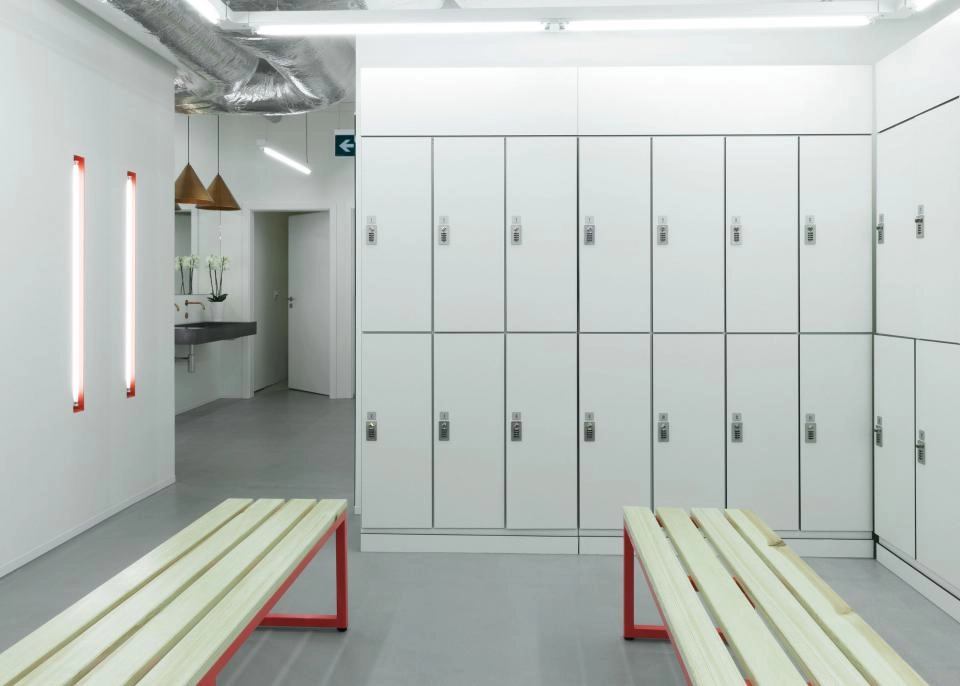
A good locker in a public space must endure more than a piece of furniture at home. It’s touched by different people every day. Wet towels, clothes, shoes, bags, sports equipment, and employee personal belongings end up in it. The material determines whether the locker room still looks aesthetically pleasing after a year or begins to require repairs and replacement of fronts. At ALSANIT, you’ll find lockers made of HPL, MFC, and metal. You can tailor the design to suit your space, budget, and intended use. Read on to find out which material will work best for your project.
Why is the material of the cabinet so important in public spaces?
The material of a locker affects the durability, hygiene, appearance, and maintenance costs of the entire locker area. In a public facility, the furniture isn’t subject to light use. It’s regularly opened, closed, bumped, and cleaned.
At school, it must withstand the daily grind of students. In the fitness club, it’s exposed to moisture and contact with sportswear. In the swimming pool, however, it’s located near wet areas. Therefore, the choice of material shouldn’t be based solely on the color of the front or the lowest purchase price.
Well-chosen lockers organize the space and improve user comfort from the very first moment they enter the facility. They facilitate storage, shorten locker room usage, and reduce chaos upon entering sports, sanitary, or work areas.
When the material is suitable for the conditions, the manager is less likely to encounter panel swelling, corrosion, hinge damage, and scratches. It also reduces the risk of unsightly marks from intensive use.
What locker materials work best in locker rooms, schools and sports facilities?
HPL, MFC, and metal are the primary materials used to manufacture cabinets for public facilities. Hybrid designs are also available, combining a metal body with fronts made of HPL, MFC, or tempered glass.
The right material depends on the environment the furniture will be used in. A swimming pool locker room requires a different solution than a dry staff area or a school hallway. Humidity, number of users, cleaning frequency, and the risk of damage are all factors that matter.
HPL is a universal solution for demanding and humid spaces. MFC performs well in dry interiors where a wide selection of decors and a furniture-like design are important. Metal, on the other hand, can be a functional and economical base for employee, staff, and school lockers.
When first selecting material, it is worth considering the following parameters:
- resistance to moisture and frequent washing;
- resistance to impacts, scratches and loads;
- easy to keep clean;
- possibility of ventilation of clothes, shoes and towels;
- availability of colors, decors and locker configurations;
- possibility of using mechanical, electronic or RFID locks;
- ability to adjust dimensions to the design;
- cost of purchase, servicing and subsequent operation.
There’s no single material that’s suitable for all facilities. HPL is ideal for locations where water resistance, durability, and hygiene are key. MFC is recommended for dry spaces, such as offices, reception areas, and selected school areas. Metal is a practical choice for employee facilities, warehouses, and staff rooms.
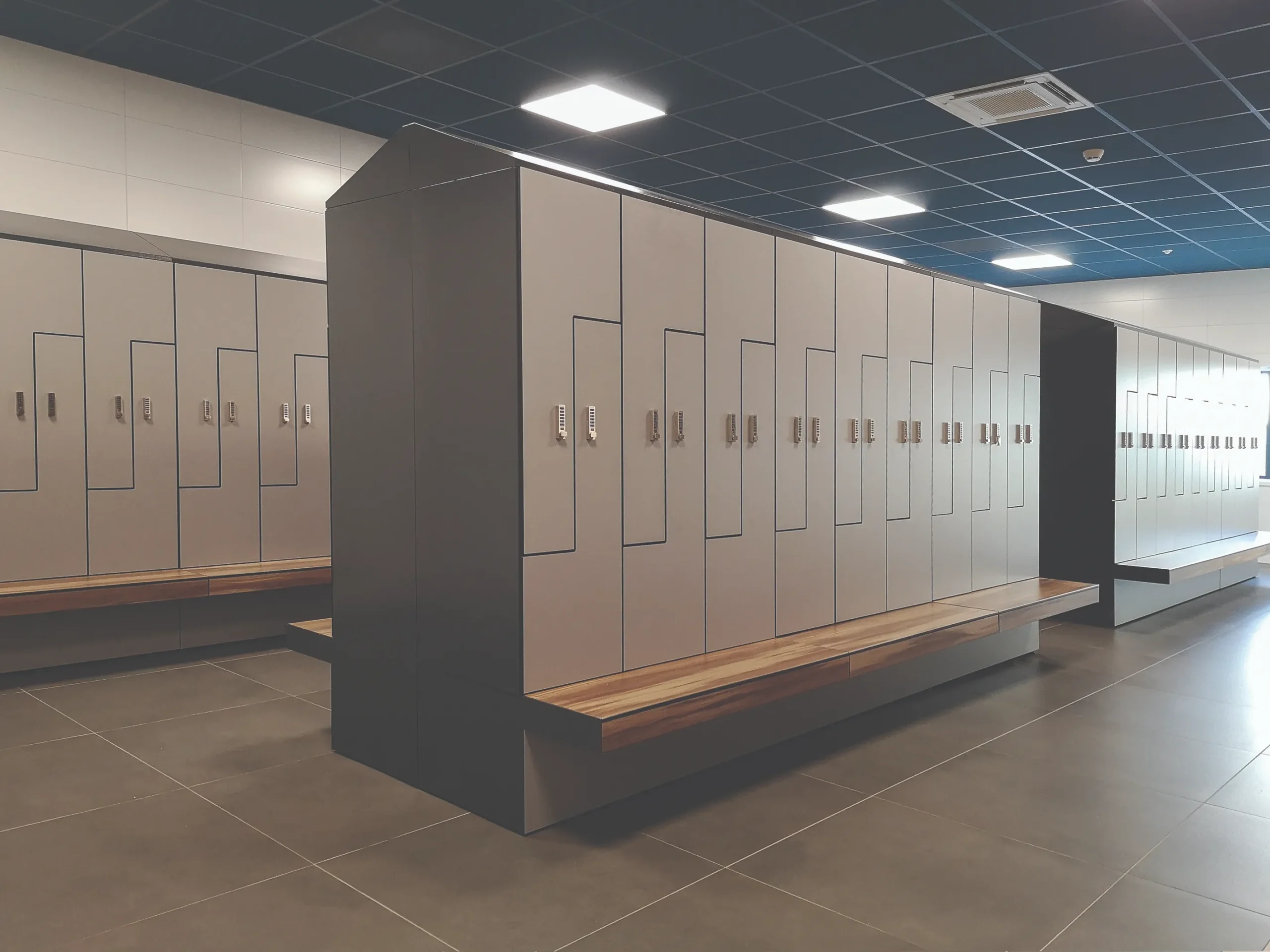
An alternative is hybrid cabinets, which combine the advantages of several materials. A metal body helps maintain a favorable cost-effectiveness and structural stability. Meanwhile, an HPL front increases the resistance of the most frequently used part of the cabinet to moisture, impacts, and frequent cleaning.
An example of such a solution is the COMBO model. Its design combines an economical metal frame with durable and aesthetic HPL doors. This allows for a cabinet suitable for intensive use without the need for the entire structure to be made of compact laminate.
What makes HPL cabinets stand out in heavily used interiors?
HPL cabinets are a good choice for spaces where furniture is constantly exposed to moisture, frequent cleaning, and high user turnover. High-pressure laminate is made from layers of material pressed together under high pressure. This process creates a compact, stable, and durable surface.
ALSANIT’s HPL panels are used in cabinets, sanitary cubicles, countertops, and wet-area fixtures, among other applications. This same material can create a cohesive look for locker rooms, restrooms, showers, and back rooms.
HPL’s greatest advantage is its water resistance. In a swimming pool, water park, fitness club, gym, or sports facility, wet clothing and water vapor are part of everyday life.
HPL cabinets withstand these conditions well. They can be used in facilities where both technical parameters and long-term aesthetics are important.
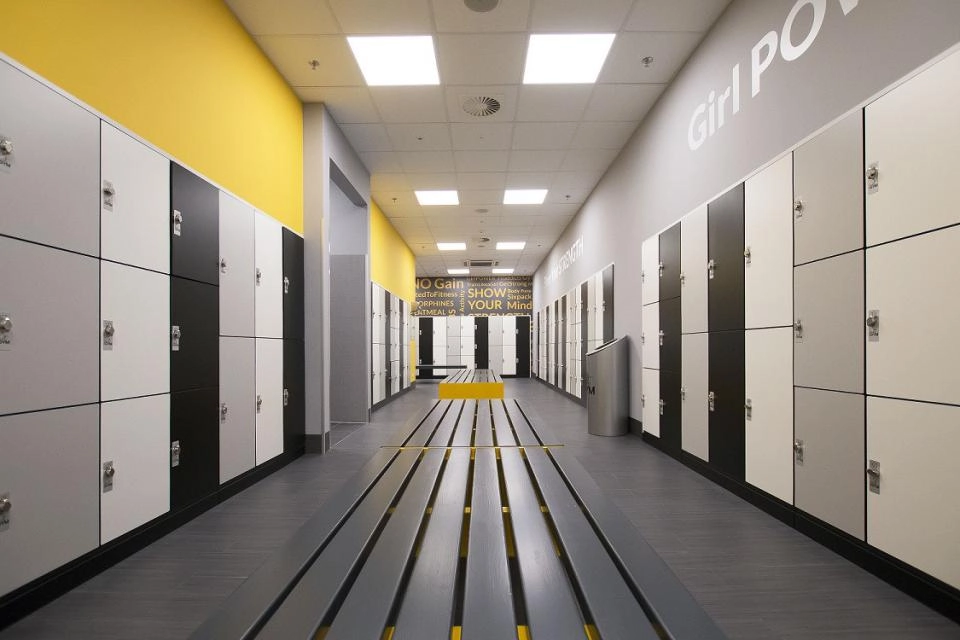
HPL also facilitates the design of modern interiors that don’t resemble a technical facility. Available decors can evoke wood, concrete, stone, or solid colors.
In a school, you can use a bold color scheme to help distinguish zones. In a fitness club, strong contrasts work well. In a hotel, wellness center, or spa, you can use calmer, more representative décor.
How to choose cabinet material for a wet area?
For wet areas, choose a material that is water- and swelling-resistant. The surface should also allow for regular and thorough cleaning.
This applies to swimming pools, showers, sports locker rooms, changing rooms, wellness areas, and sauna facilities. Similar requirements apply to any facility where users store wet towels, flip-flops, or workout clothes.
In such an environment, it’s not just the front material that matters. The body, hinges, ventilation, base, and mounting method are also important. The design should aid moisture management and minimize hard-to-reach areas.
When designing cabinets for a wet area, it is worth:
- use HPL in swimming pools, showers and wet areas;
- check that the body provides adequate ventilation;
- choose hinges designed for intensive use;
- avoid materials susceptible to swelling;
- plan the basics to make cleaning easier;
- adjust the locks to the conditions and service model of the facility;
- use clear and robust numbering;
- maintain the space needed to thoroughly clean the floor and cabinets.
Skimping on materials designed for humid rooms can increase maintenance costs later on. Swollen edges, difficult-to-clean fronts, and corroded components reduce the functionality and aesthetics of the entire area.
Properly selected pool and sports locker room lockers increase user comfort and facilitate the work of staff responsible for maintaining the cleanliness and technical condition of the facility.
Can MFC be a good material for cabinets in public spaces?
MFC, or laminated particleboard, is primarily used in dry spaces. Its advantages include aesthetic appeal, a wide selection of decors, and a favorable price-to-visual effect ratio.
MFC lockers are ideal for offices, staff facilities, dry locker rooms, reception areas, and selected school spaces. This material allows for a friendly, furniture-like feel. Compared to classic metal, it can appear less technical.
The extent of MFC use should be determined by the room’s conditions. The material performs best in well-ventilated and dry spaces where cabinets are not in constant contact with water.
It can be used to store clothing, documents, bags, and personal items. In areas without showers or frequent contact with wet items, it offers a good combination of functionality and aesthetics.
Materials with higher water resistance are designed for swimming pools, showers, and constantly humid rooms. In such conditions, HPL or a hybrid construction with a resistant front would be a more appropriate choice.
A major advantage of MFC is its design flexibility. You can achieve a wood effect, light-colored cabinetry, dark fronts, or neutral furnishings that don’t dominate the interior.
This is especially important in commercial buildings. Cloakrooms, reception areas, and backstage areas are increasingly becoming part of the customer experience, rather than simply technical areas.
When is it worth choosing metal cabinets or hybrid structures?
Metal cabinets are suitable for spaces requiring simple, economical, and functional equipment. They are ideal for workplaces, schools, warehouses, staff rooms, and health and safety facilities.
A metal body can provide a practical base for the structure. It provides stability, allows for ventilation, and facilitates the creation of multiple hiding places within a single building.
ALSANIT also offers hybrid solutions. They combine a metal structure with fronts made of HPL, MFC, or glass. This combination improves the properties and appearance of the most frequently used part of the cabinet.
Doors are the element that users touch most often and remain the most visible. Using a more durable or decorative front allows you to significantly change the character of the entire structure.
Metal or hybrid cabinets are worth considering when:
- permanent equipment for employee facilities is needed;
- the lockers are to be part of the health and safety changing room;
- it is important to combine a favorable price with functionality;
- the project includes a large number of caches;
- fronts are to be more resistant to moisture and intensive use;
- the color of the door should correspond to the identification of the object;
- the equipment is intended for a school, company, warehouse or sports facility;
- the cabinets are to be compatible with the selected locking system.
The COMBO model is an example of a hybrid design. The metal frame reduces the cost of the entire installation. HPL doors, on the other hand, ensure durability, moisture resistance, and a wide range of color options.
This combination can be a good solution for projects where both budget and aesthetics are important. The cabinet lacks a stark, industrial feel while retaining the functionality of a metal structure.
How do hygiene and ease of cleaning influence the choice of material?
Cabinet hygiene begins with the material, but also depends on the design details. A smooth and durable surface makes cleaning easier. A ventilated body helps wick away moisture and reduce unpleasant odors.
In public facilities, lockers are part of the infrastructure used daily by users and staff. The difficult-to-maintain material can prolong cleaning and increase the workload required to maintain the required standards.
HPL cabinets are well-suited for environments where hygiene is paramount, such as schools, swimming pools, gyms, employee locker rooms, medical facilities, wellness centers, and sports facilities.
The moisture-resistant material and regular cleaning make it easier to maintain the surface in good condition. However, the final effect also depends on the cleaning procedures and products used.
Hygiene also relates to the layout of locker rooms. Narrow aisles, poorly positioned benches, missing hooks, or misaligned lockers can all contribute to clutter.
Good cabinets should be made of durable materials, have a well-thought-out configuration, and have clear numbering. A proper lock and space for clothing, shoes, and small accessories are also important.
How to match the aesthetics of cabinets to the character of the facility?
The aesthetics of lockers influence first impressions, especially in sports, hotel, office, and educational facilities. A locker room doesn’t have to be a random room with a purely technical function.
A well-designed storage area can enhance the standard of a facility, organize the space, and increase the feeling of comfort. The material determines the color, texture, shine, durability of the front, and cohesion with other furnishings.
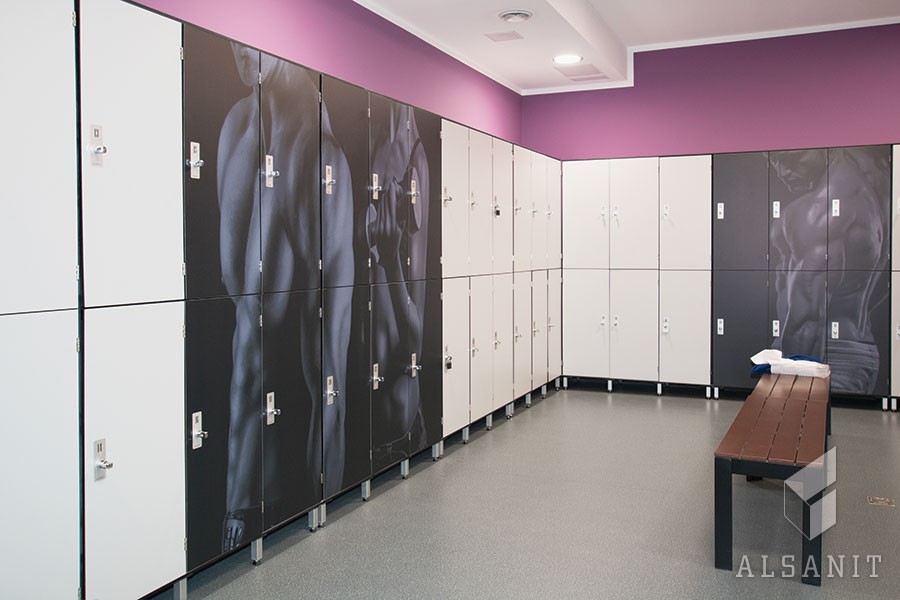
HPL and MFC offer a wide range of design options. Available options include woodgrain decors, solid colors, stone- or concrete-inspired structures, and more expressive combinations for school and sports areas.
The cabinet should reflect the user’s experience of the facility. In hotels and spas, calming décor works well. In a fitness club, stronger contrasts can be used. In schools, colors can help distinguish zones and floors.
In a company or workplace, simplicity, ergonomics, and easy identification of storage compartments are important. Therefore, aesthetics should support the organization of the space, not hinder its use.
How to plan cabinets to meet the needs of users?
The functionality of a locker depends on what items will be stored in it and how long it will be occupied. Different requirements apply to a swimming pool, a workplace, and even a school.
A swimming pool locker room needs space for clothing, shoes, a towel, a bag, and toiletries. A staff locker may require separating personal clothing, work clothes, and footwear. At school, however, easy access to the locker and quick access to stored items are key.
The design should take into account the number of users, their turnover, and how the room is used. This can be used to determine the number of lockers, the height and width of the modules, the interior fittings, and the ventilation method.
A well-planned locker room helps reduce queues and streamlines user movement. It also reduces the risk of lockers being overloaded or misused.
At ALSANIT, you can choose lockers for schools, swimming pools, businesses, gyms, fitness clubs, social facilities, and sports facilities. Available configurations accommodate a variety of storage needs.
A deposit locker will have a different layout, an employee health and safety locker, and yet another for a full-size clothing locker. While the material is the foundation of the design, the overall configuration determines everyday comfort.
What questions should you ask before choosing cabinet material?
Choosing the right material requires a brief analysis of the property, not just a price comparison. First, determine who will be using the cabinets, how often, and under what conditions.
Only then can the properties of the HPL, MFC, metal or hybrid system be compared with the investment requirements.
Top questions before ordering:
- whether the cabinets will be located in a wet, dry or mixed zone;
- how many users will use the locker room during the day;
- whether wet towels, clothes or shoes will be stored in the cabinets;
- whether the object requires increased resistance to damage;
- what locking system will be the most convenient;
- whether you need lockers for clothes, deposits, school, swimming pool or employees;
- whether the appearance of the cabinets should correspond to the visual identification of the facility;
- whether the equipment will include benches, wardrobes, numbering and additional accessories.
The answers allow you to narrow your choices and reduce the risk of costly mistakes. In wet areas, HPL is a natural candidate. In dry office spaces, MFC, metal, or a hybrid system can be considered.
In a large workspace, metal cabinets with appropriate layout and ventilation can be a good choice. When greater front strength and improved aesthetics are needed, the COMBO design is an alternative.
Why is it worth choosing ALSANIT when choosing cabinet material?
ALSANIT designs and manufactures locker systems tailored to the specific needs of a specific facility. This allows for the selection of not only materials but also dimensions, compartment layout, equipment, and locking method.
The range includes HPL, MFC, metal, and hybrid lockers. Available solutions include clothing, staff, pool, school, health and safety, and deposit lockers. Lockers can be equipped with mechanical or electronic locks, or smart access systems.
The ability to combine different materials increases design freedom. Investors can choose a full HPL structure for the most demanding areas or a hybrid system such as COMBO.
In this version, the metal frame provides a functional and economical base. The HPL front increases the door’s resistance to moisture, damage, and regular cleaning. A wide selection of decors allows you to match the design to the character of the interior.
The ability to tailor a solution to a specific project is also crucial. Changing rooms at schools, fitness clubs, hotels, manufacturing plants, or swimming pools have different workflows and requirements.
The right material should suit the conditions of use, cleaning frequency, and budget. In wet areas, it’s worth using HPL, ensuring ventilation and durable hardware. In dry areas, you can choose MFC, metal, or a hybrid construction.
Contact ALSANIT and choose cabinets that will suit the needs of users, technical conditions and the character of the entire facility.
What are the most frequently asked questions about cabinet materials for public spaces?
Material selection usually raises the most questions at the beginning of a project. It’s then that you have to balance durability, appearance, conditions of use, hygiene, and budget.
The answers below will help you assess whether HPL, MFC, metal or a hybrid structure will be better suited for your facility.
1. What cabinet material is best for wet areas?
HPL is best suited for wet areas, as it withstands water, moisture, and frequent cleaning. It’s a suitable choice for swimming pools, showers, sports locker rooms, wellness areas, and fitness facilities.
A ventilated body, durable hinges, and a base that facilitates cleaning are also important. The front alone won’t provide adequate durability if the other components aren’t designed for a humid environment.
2. Are HPL cabinets suitable for schools?
HPL lockers can be used in schools due to their resistance to heavy use and ease of cleaning. Resistance to impacts, scratches, and frequent opening is also important in school hallways and locker rooms.
HPL offers a wide selection of colors and decors. Colors can facilitate the division of space into classrooms, floors, or zones. The design should also include clear numbering and a convenient locking system.
3. When is it better to choose MFC instead of HPL?
MFC is perfect for dry spaces where a warm, furniture-like appearance and a wide selection of decors are important. This material is suitable for offices, reception areas, dry back rooms, dressing rooms, and more quiet areas.
However, it’s not the first choice for rooms with constant contact with water. For wet clothing, high humidity, or intensive washing, HPL is a more suitable solution.
4. Are metal cabinets still a good option?
Metal lockers remain a functional solution for workspaces, warehouses, schools, and simple social areas. They allow for efficient organization of a large number of storage spaces while maintaining a favorable cost level.
Their appearance and performance can be improved by using a hybrid design. The metal body can be combined with an HPL, MFC, or glass front.
5. What are COMBO hybrid cabinets?
COMBO cabinets combine a metal frame with HPL doors. The metal provides a stable and economical construction base, while the HPL front ensures moisture resistance, durability, and aesthetic appeal.
This solution is designed for projects that require high performance without having to rely entirely on HPL. Various color options make it easy to match the cabinets to your interior.
6. What cabinets should you choose for a fitness club?
A fitness club needs lockers that can withstand high user turnover, moisture, contact with sports bags, and frequent cleaning. HPL is best for wet locker rooms and showers.
In dry areas, HPL, MFC, or hybrid structures can be considered. The choice depends on the interior standard, intensity of use, and budget. Ventilation, benches, shoe storage, and an appropriate locking system are also important considerations.
7. Does the cabinet material affect the maintenance costs of the facility?
The material influences the frequency of repairs, cleaning, and replacement of damaged components. A solution unsuitable for humid or heavily used environments may require service sooner.
A more durable material may mean a higher initial cost. At the same time, it reduces the risk of downtime, repairs, and premature replacement of fronts. Therefore, for larger investments, it’s worth assessing the entire expected service life.
8. How to match the cabinet material to the interior design?
The material should be matched to the character of the building and the way users experience the space. HPL and MFC offer a wide range of color options and various types of decor.
Metal is suitable for technical and work areas. However, when combined with a decorative front, it can achieve a more modern and representative character.
It is worth choosing the color, texture and layout of the lockers together with the benches, walls, lighting and markings.
9. Should locks be selected at the material selection stage?
It’s best to consider the locker system during locker design. It influences door construction, locker room organization, and user comfort.
In schools, businesses, and smaller facilities, simple mechanical locks can be used. Electronic or RFID systems are effective in swimming pools, fitness clubs, and larger sports facilities. The material, front design, and intended use of the locker should match the requirements of the chosen locking system.