Locker Room Design: How to Choose Stylish and Functional Lockers for Different Environments
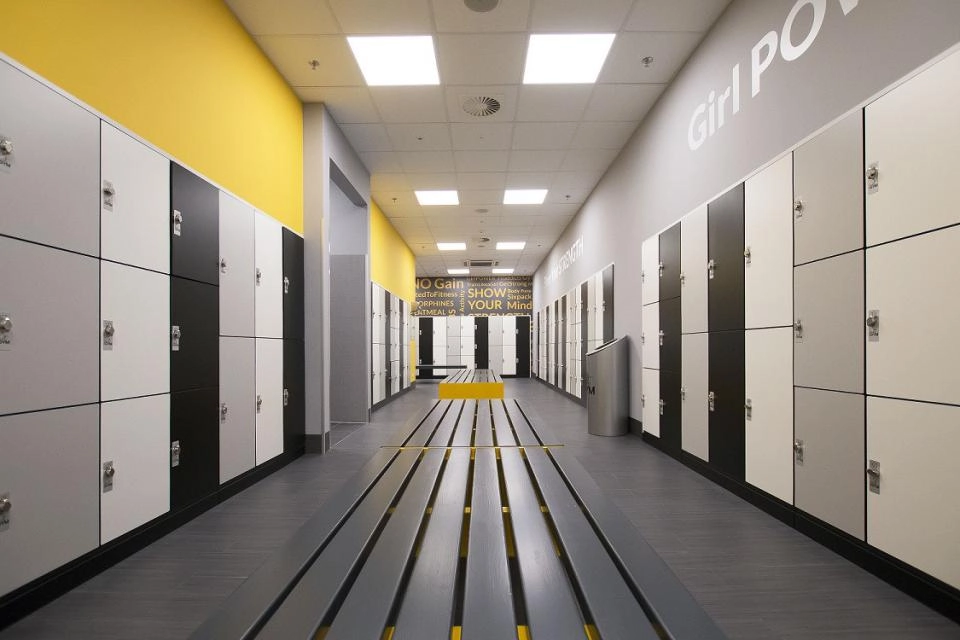
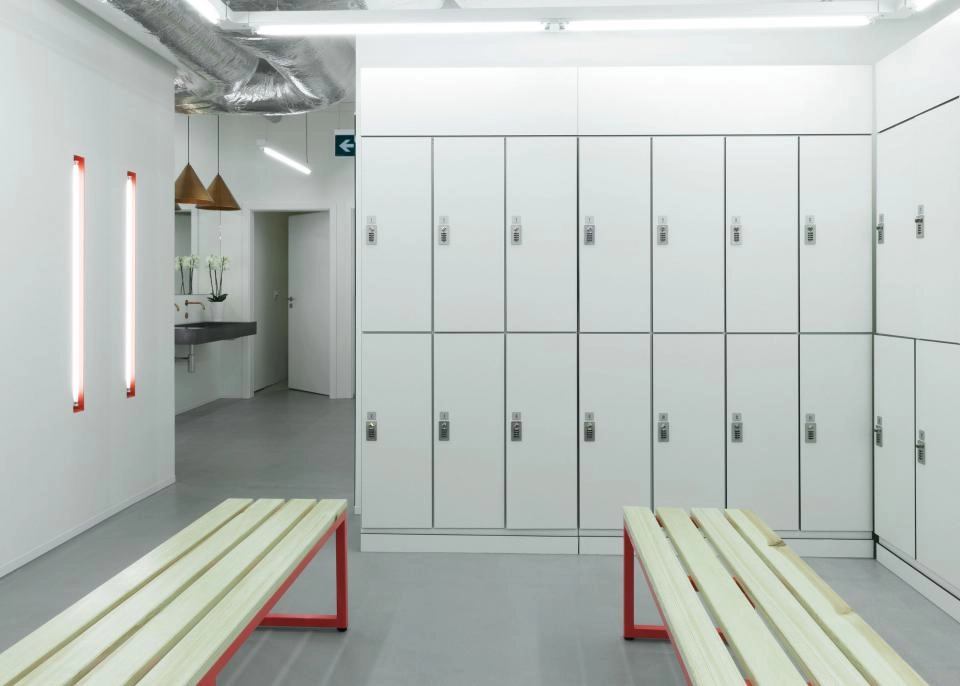
A well-designed locker room doesn’t have to look like a technical backroom you only visit out of necessity. It can be clean, comfortable, consistent with the interior, and easy to use daily. This is important because it’s where users leave their belongings, change, and store their bags, jackets, shoes, or workout gear. Therefore, the choice of lockers impacts order, safety, hygiene, and the first impression upon entering the facility. Learn how to approach locker room design so that it’s aesthetically pleasing, durable, and adaptable to the real-world traffic in your space.
How much does designing a locker room cost and what does the budget depend on?
The cost of designing and equipping a locker room depends primarily on the number of users, the type of lockers, the material, the locking system and the scope of additional equipment.
| Cost area | What does it include? | What increases the cost? | What can reduce the cost? | Nature of the cost |
| Design and layout of the locker room | Analysis of the number of users, the arrangement of lockers, the width of passages, the space for benches and the entrance and exit zones. | Unusual room layout, small space, need to fit cabinets into alcoves, columns or installations. | Simple modular layout, good use of walls, limited dead spaces and pre-determined number of users. | One-time cost. May limit future revisions. |
| Type of cabinets | A selection of lockers for clothes, safes, L-shaped lockers, deposit lockers, health and safety lockers or mixed modules. | A larger number of compartments, division of one column into several chambers, specialized cabinets or solutions for specific industries. | Standardization of modules, selection of one type of cabinets and matching the capacity to the real number of users. | Purchase cost. Directly affects the unit price. |
| Material of manufacture | Body, doors, edges, hinges and elements exposed to moisture, impacts and intensive use. | HPL, tempered glass, anti-moisture solutions, reinforced elements or premium finishes. | Selecting the material to suit the conditions, without overpaying for parameters that are not needed in a given facility. | Purchase cost. It also affects durability and service costs. |
| Closing system | Key locks, padlocks, combination locks, electronic locks, RFID locks or access control systems. | Electronic locks, RFID, integration with user cards, possibility of central access management. | A simpler locking system, limited number of lock variants and a choice of easy-to-service solutions. | The cost of purchase and potential operation. With electronics, there’s also the cost of maintenance, batteries, or service. |
| Additional equipment | Plinths, legs, benches, sloped roofs, numbering, hangers, shelves, ventilation and markings. | Integrated benches, canopies, individual numbering, additional shelves, ventilation or elements that facilitate cleaning. | Selecting only those accessories that actually improve the comfort, hygiene or organization of the locker room. | Mainly a one-time expense. Can reduce maintenance costs. |
| Transport, delivery and assembly | Delivery, unloading, carrying in, setting up, leveling, screwing together modules and preparing cabinets for use. | Large number of modules, no elevator, high floor, difficult access, assembly outside standard hours or the need to work in stages. | Good delivery logistics, prepared assembly site, clear communication routes and prior arrangement of the cabinets. | One-time cost. Depends on the scale of the order and site conditions. |
| Use and service | Cleaning, maintenance, replacing locks, adjusting hinges, repairing damage and possibly replacing components. | Intensive use, moisture, poor ventilation, cheap fittings, complicated locks or lack of spare parts. | Durable materials, easy access to parts, good ventilation and a selection of easy-to-use locks. | Operating cost. Appears after the locker room is opened. |
It’s worth basing your locker room budget not on the price of a single locker, but on the cost of its daily use. A dry office will offer different solutions than a swimming pool locker room, gym, or workplace. In areas with moisture, heavy traffic, frequent cleaning, and multiple daily users, the cheapest option can quickly add up. In these situations, it’s not just the purchase price that matters, but also the durability of the material, effective ventilation, easy cleaning, resistance to disinfectants, and reduced susceptibility to damage.
How to choose lockers for a specific environment?
When designing a locker room, start by asking who will use it and at what pace. In an office, aesthetic appeal, convenient storage for outerwear, and a well-organized space are key. In a workplace, separation of personal and workwear, durability of the structure, and ease of cleaning are more important. In a fitness club, school, or swimming pool, resistance to heavy use, moisture, accidental impacts, and frequent locker openings are key.
Before choosing a specific model, check a few elements that really affect user comfort:
- number of people using the cloakroom at the same time;
- the type of items stored, i.e. jackets, bags, shoes, sports equipment or work clothes;
- humidity level, temperature and cleaning frequency;
- expected level of privacy and security of personal belongings;
- available space, width of passages and space for benches;
- interior style, colors and the way the compartments are marked.
A well-chosen locker shouldn’t just be a pretty piece of furniture placed against the wall. It must address the repetitive situations of a workday, training session, PE lesson, shift work, or a visit to the swimming pool. When the design takes these scenarios into account, the locker room experiences less congestion, is easier to clean, and users find their belongings faster.
What materials work well in modern locker rooms?
The locker material should be suitable for the conditions in which it will be used. HPL lockers are well-suited for applications requiring moisture resistance, stability, and long-lasting aesthetic appeal. Metal lockers are practical in workspaces, technical spaces, and industrial spaces, especially where simple design and durability are key. Mixed solutions, such as a metal frame with HPL fronts, combine a solid base with a more refined look.
In school and sports locker rooms, the material must withstand the high pace of use. Doors are opened many times a day, battered by bags, and touched with wet hands. Moisture resistance and easy cleaning are also important in swimming pools, wellness facilities, and fitness clubs. Therefore, when choosing a door, consider not only the color of the door but also the edges, hinges, ventilation, door mounting, and the surface’s resistance to everyday stains.
How to plan the layout of a locker room so as not to waste space?
The locker room layout should guide the user naturally from the entrance to the locker, bench, changing area, and exit. Poorly positioned modules create bottlenecks that make even a large locker room feel cramped and uncomfortable.
- arrange cabinets so that the doors do not block the main passage;
- leave room for a comfortable seat and a change of shoes;
- group lockers by function, gender, department, class or facility zone;
- avoid dead corners that are difficult to approach.
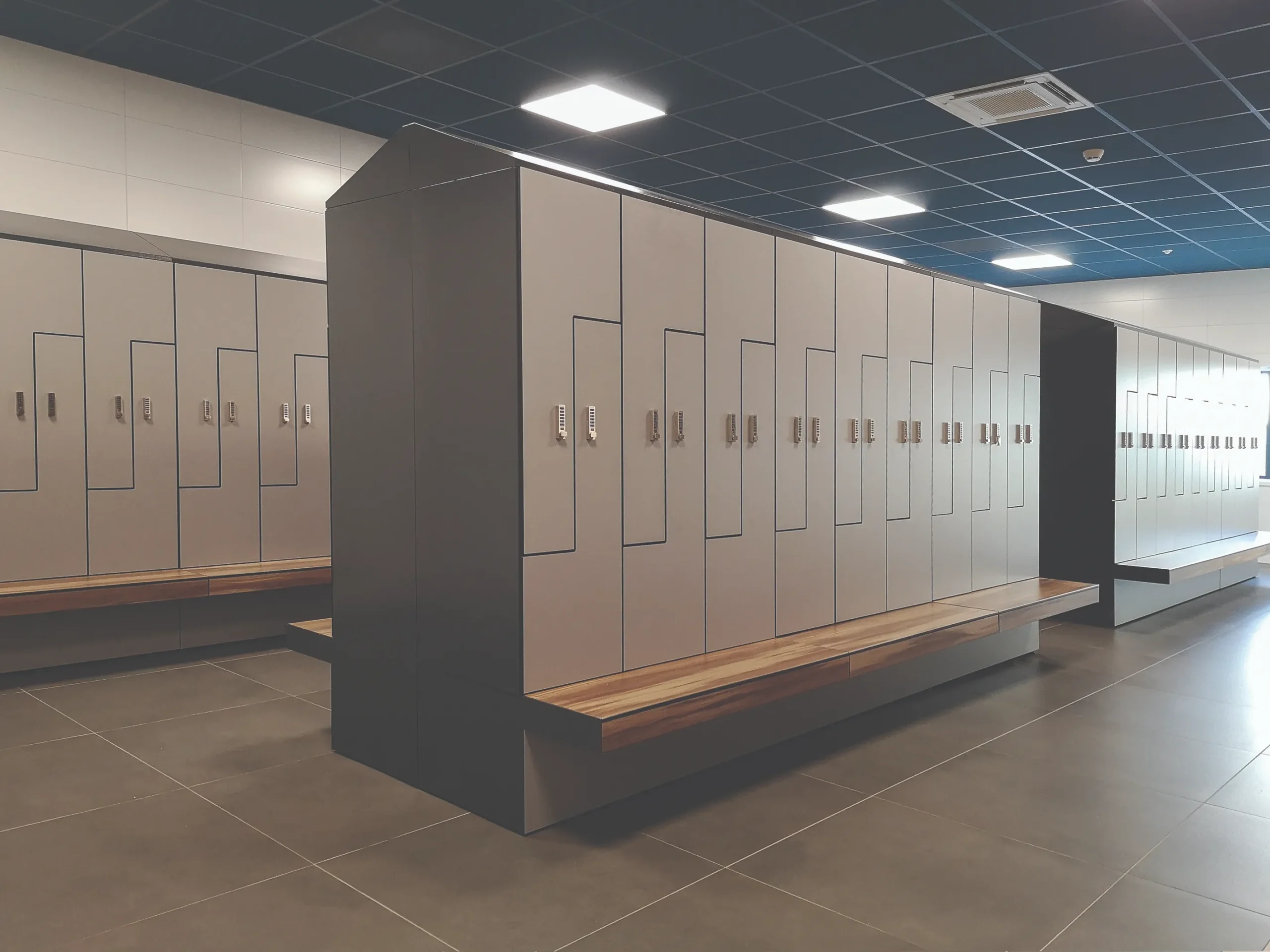
L-shaped lockers, lockers with multiple vertical compartments, and small-item deposit modules work well in small spaces. In larger locker rooms, you can more conveniently separate dry, wet, work, sports, and technical areas. This division improves order, shortens locker room usage, and reduces the risk of accidentally mixing clothing, footwear, and personal items.
Which lockers should you choose for school, office, swimming pool, gym and workplace?
In schools, lockers that are resistant to heavy use, easily labeled, and easy for students to use are ideal. In the office, you can focus more on aesthetics, a more muted color scheme, and consistency with the reception area, hallway, or break room.
In the pool and wellness area, lockers must withstand moisture, wet towels, frequent cleaning, and contact with water. In a fitness club, convenient storage for bags, shoes, jackets, and small items that users want to quickly secure before training is essential. In workplaces and industrial spaces, safety lockers, robust lockers, clear compartmentalization, and the ability to store workwear are essential. Where employees wear protective clothing, a well-thought-out arrangement of shelves, bars, partitions, and ventilation is essential.
There’s no single model that’s best for every space. Good design starts with function, and only then moves on to color, front, lock type, and accessories.
What additional equipment increases comfort in the locker room?
A locker is the most important element of a locker room, but it alone doesn’t create a comfortable space. Comfort also depends on benches, hangers, numbering, locks, ventilation, lighting, and communication between modules. Well-planned additions shorten changing times and reduce chaos during peak hours.
First, choose equipment that solves specific user problems, and only then choose visual accessories. This will make the changing room more practical, not just visually appealing.
- benches make it easier to change shoes and put away bags;
- the legs help you clean under cabinets and keep the furniture away from wet floors;
- the plinth closes the space under the cabinet and limits the accumulation of garbage;
- the sloping roof makes it difficult to put things away at the top of the cabinets;
- numbering organizes the use of lockers and facilitates the operation of the facility;
- ventilation helps reduce unpleasant odors after storing wet clothes or shoes;
- compartments allow you to separate private and work clothes, footwear and accessories.
In a sports locker room, a bench next to lockers often has more significance than additional decorative accents. In a school, clear numbering can solve the everyday problem of confusion and finding the right locker. In a staff facility, a well-planned locker interior helps maintain order and supports occupational hygiene practices.
How to choose locks for cloakroom lockers?
A lock improves the security, ease of use, and speed of locker room use. In facilities with a constant user base, such as a company or school, key locks are effective because they are simple, predictable, and easy to assign to a specific person. In fitness clubs, swimming pools, and facilities with a high guest turnover, combination locks, electronic locks, or RFID systems may be more convenient. In these facilities, users don’t need to carry a traditional key, and facility staff can more easily manage access to lockers.
Choose a lock that suits the way the facility works, not just the purchase price.
If a locker room operates daily and is used by hundreds of people, a minor lock issue quickly becomes a major organizational problem. Small keys, a lack of backup solutions, a complicated code reset procedure, or undefined emergency opening procedures can all slow down service. Therefore, determine early in the design phase who manages access, what happens if a key is lost, how staff open the locker in an emergency, and whether the system is age-appropriate for users.
How to combine the appearance of a locker room with durability and hygiene?
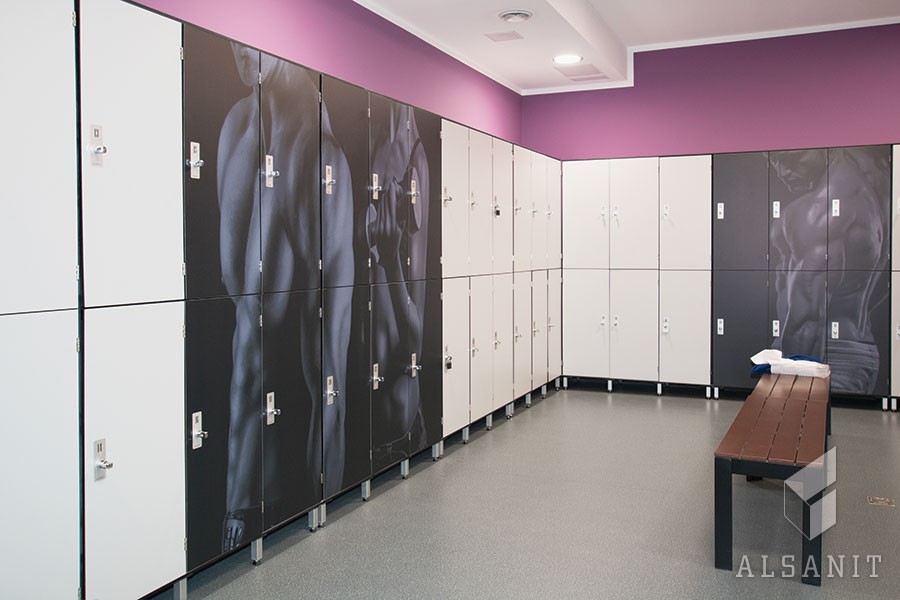
A locker room can be both functional and aesthetically pleasing, but appearance shouldn’t trump durability. The color of the fronts, décor, and layout of the modules all influence the overall feel of the facility. In a hotel, fitness club, or private clinic, a locker room should fit the space’s standard, not look like a random warehouse. In a school, workplace, or sports facility, aesthetics also help, as a clear and well-maintained space usually promotes greater order.
Hygiene begins with the material, ventilation, and easy access to surfaces that require regular cleaning. Smooth fronts, durable edges, stable hinges, and a sensible base help keep the locker room in good condition. If lockers are located in a wet area, avoid solutions that retain moisture or make cleaning difficult near the floor. For high-traffic areas, choose colors and surfaces that don’t quickly deteriorate the overall visual appearance with daily wear and tear.
How to design a locker room that works well for years?
The locker room design should anticipate not only the facility’s opening day but also several years of regular use. Therefore, consider not only the number of users but also turnover, seasonality, clothing type, cleaning methods, and the possibility of future expansion. Leave room for additional modules if the company grows, the club increases its membership, or the school plans additional classes. A well-designed locker room doesn’t require stressful modifications after the first season.
Choose modular solutions that can be adapted to changing room functions. Consider the availability of parts, the ability to replace locks, the ability to order additional fronts, color consistency, and the ease of assembly of subsequent components. Users quickly notice whether a cloakroom is logical or whether they have to contend with a tight passageway, a lack of a bench, or a locker that doesn’t fit a bag. The better you anticipate these everyday situations, the fewer problems there will be in maintaining the facility.
FAQ: What should you ask before choosing lockers for your cloakroom?
Good pre-purchase questions can help avoid costly mistakes. Before choosing a locker model, consider the locker’s function, number of users, material, lock, ventilation, and installation method.
Brak wyników
- Which lockers should you choose for a small locker room?
- Are HPL cabinets a good choice for humid rooms?
- When will metal lockers be better?
- Which lock for the cabinet will be the most convenient?
- Does every locker in the cloakroom have to have ventilation?
- How to choose the number of cabinets for the number of users?
- Does the color of the lockers matter in the design of the locker room?
- Is it worth ordering a locker room design before purchasing lockers?